Woks have a approach of drawing chefs in. The first time I picked up a wok, I underestimated its versatility and the subtle differences that come with the various resources. If you have got stood in a kitchenware aisle or scrolled simply by pages of cookware, you've gotten generally paused on the question: cast iron or carbon metal? Both have dependable enthusiasts and storied histories, but what approximately the https://pastelink.net/y3dnwaiu fee - each at the coins check in and in everyday use? Let’s step with the aid of the true alterations, surprises, and commerce-offs between these two traditional woks.

The Heritage of Each Wok
In Chinese kitchens, woks were primary for centuries. Carbon steel become regularly occurring in the 20th century, prized for its lightness and responsiveness. Cast iron has roots even deeper, with thick-walled variants appreciated for stewing and deep-frying in northern China. Western kitchenware manufacturers have added their very own twists, often times complicating the image with seasoning shortcuts or additional coatings.
Understanding this context concerns. A wok shouldn't be just a pan: it's a tool fashioned by way of generations of cooks refining its design for their stoves and components. The fabric you desire impacts the way you cook dinner and what you pay.
What Drives the Price?
The sticker value of a wok is shaped with the aid of a few reasons: uncooked subject matter expense, labor, production position, logo recognition, and further good points. Carbon metallic is much less steeply-priced according to pound than cast iron. However, exertions expenditures can turn this. Hand-hammered carbon metallic woks from China can settlement twice as much as equipment-forged iron ones from a Western brand.
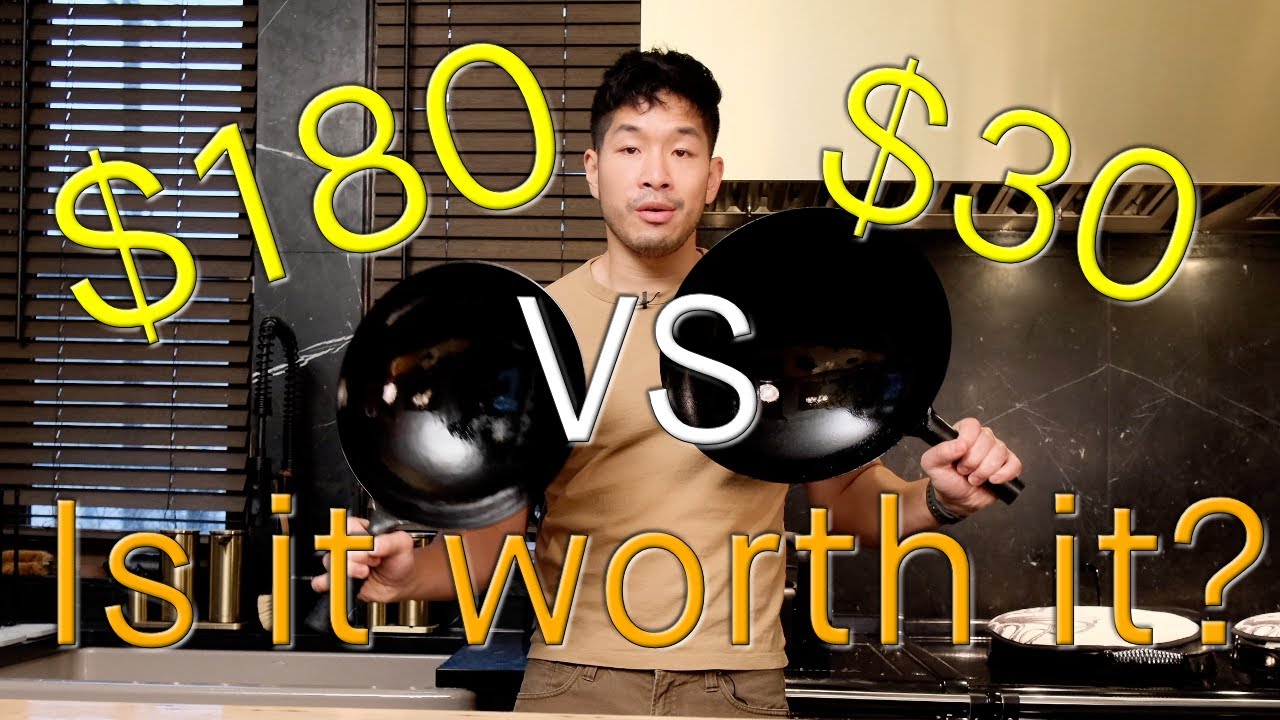
Cast iron woks differ dramatically. You’ll see easy models from Chinese manufacturers opening around $30 to $50 for a 14-inch wok, in many instances much less if unbranded. Western solid iron (think Lodge) can climb to $70 or extra, partially on account of thicker walls and the teeth coatings.
Carbon steel woks leap low: $20 to $40 for entry-level, mass-produced pans. If you choose hand-hammered or uniqueness shapes (pow woks with circular bottoms), assume $60 to $a hundred and twenty, mainly when imported or made via artisans.
The numbers merely inform 0.5 the tale. You additionally pay in weight, seasoning attempt, maintenance, and adaptableness. These hidden expenditures most of the time rely just as an awful lot as the upfront value.
Comparing Everyday Use
Price is hardly ever with regards to cost; it is also about time and pleasure. I have in mind my first solid iron wok - a beast at almost nine kilos empty. It held warmth beautifully however left me winded after twenty mins of tossing veggies. In comparison, my fashionable carbon metallic wok weighs below four pounds and movements with me across the burner.
Heat Performance
Cast iron excels at keeping heat. This makes it first-rate for deep-frying or braising the place consistent temperature subjects greater than unexpected shifts. On the other hand, carbon metal heats up fast and responds quickly for those who increase or diminish the flame - fantastic for stir-fries that demand cut up-second timing.
If you cook dinner on an induction cooktop or glass-proper electrical range, weight becomes even extra vital. Some glass cooktops crack lower than heavy solid iron. For excessive-BTU fuel stoves, both material will work; however on home burners that lack persistent, carbon metallic's responsiveness ordinarilly makes up for its lessen warmness retention.
Seasoning and Maintenance
Seasoning is wherein many clients underestimate their investment. A new forged iron wok might arrive pre-pro if got from a Western brand (like Lodge), yet such a lot Asian types require a couple of rounds of oiling and heating formerly they may be competent. Carbon metal wants identical care: washing off manufacturing unit oils, burning off residues over excessive heat, then building up layers of polymerized oil using repeated cooking.
Here’s a speedy comparative record for seasoning:
Preparation: Both desire preliminary scrubbing and seasoning except pre-seasoned. Ease: Carbon steel seasons faster due to the its smoother pores. Durability: Cast iron holds seasoning longer however chips if dropped. Maintenance: Both demand mild washing (no soap), fast drying, re-oiling after use. Repair: Rust is more easy to eliminate from carbon steel; forged iron desires extra vigilance in opposition t deep pitting.If you’re new to wok cooking and impatient with protection, a pre-professional cast iron mannequin might side out carbon metal in comfort - at the very least till you get secure keeping up your possess patina.
Cooking Versatility
This comes all the way down to how you cook most often. Cast iron’s thick base assists in keeping oil temperature steady for deep-frying spring rolls or chicken wings. But it takes longer to warmness up for instant stir-fries - many times lengthy ample that veggies steam rather then sear.
Carbon metal is nimble. Its lighter physique allows you to toss noodles with one hand at the same time flipping an omelet with the opposite. If “wok hei” - that coveted smoky aroma from prime-warmth stir-frying - is your goal, carbon metallic gives you a enhanced shot at accomplishing it on a well-liked house stove.
The turn edge: carbon metallic is much more likely to warp if overheated empty or uncovered to unexpected temperature shifts (like rinsing a sizzling pan with chilly water). Cast iron shrugs off abuse yet can crack if dropped on tile floors.
Longevity vs Cost Over Time
A nicely-cared-for wok should final many years. The distinction is in the way it ages. My grandmother’s forged iron has visible forty years of carrier; its floor is darkish and glassy from 1000s of nutrition. A friend’s carbon metal, received ten years ago at a wet industry in Guangzhou for approximately $15 USD, still outperforms such a lot brand new nonstick pans - however its backside is barely asymmetric from years on an previous coal range.
If you’re shopping for natural sturdiness per greenback spent:
- Cast iron wins in the event you settle for its weight and treat it gently. Carbon metal might also desire to be replaced every decade or so if abused, but cautious customers get generations of provider.
Enamel-lined solid iron complicates issues. The coating prevents rust but chips really with steel utensils or excessive warmness. Once chipped, it exposes uncooked iron that rusts swiftly - primarily requiring replacement far sooner than naked metal woks.
Price Beyond the Pan: Accessories and Upkeep
Your wok is purely as positive as your setup makes it possible for. Consider the extras:
- Handles: Cast iron normally has loop handles; carbon metal would have picket “helper” handles that dwell cool. Lids: Rarely protected. Expect to spend an additional $10-$20. Wok jewelry: Useful for round-bottomed types on flat Western stoves. Brushes or bamboo scrubbers: A few greenbacks yet most important for repairs. Oil for seasoning: Any neutral oil works; don’t purchase “seasoning kits.”
These extras upload up - on the whole yet another $20-$forty on leading of your preliminary purchase.
User Experience: A Cook’s Perspective
I’ve cooked with both in house and eating place settings. For catering jobs, wherein speed topics and I will be cooking for hours at a stretch, carbon metal wins fingers-down: lighter, more straightforward to clear between batches, less draining on my wrists. The problem presentations up in extensive-scale deep-frying or lengthy braises; right here, solid iron’s mass will pay off by keeping secure heat once I pour in chilly substances.
At residence, I achieve for cast iron when I prefer a one-pot meal to maintain heat at the table - believe mapo tofu or purple-cooked pork stomach. For weeknight stir-fries or whatever thing related to brief pours of sauce and veggies in succession, carbon metallic gets the nod.
One omitted difference is how every one subject material interacts with acidic ingredients. Tomato-established sauces or vinegar-heavy stir-fries can strip seasoning from both versions, but forged iron is extra prone if not competently professional. Some chefs forestall using mighty acids of their cast iron altogether until they have confidence their patina is mature.

A Brief Table: Typical Price Ranges and Features
| Type | Typical Price Range (USD) | Weight (14-inch) | Heating Style | Seasoning Required | Durability | |-------------------|--------------------------|------------------|--------------------|--------------------|---------------------------| | Cast Iron | $30 - $80 | 7 - 12 lbs | Slow/Even | Yes | Decades with care | | Carbon Steel | $20 - $one hundred twenty | three - 5 lbs | Fast/Responsive | Yes | Decades if maintained | | Enamel Cast Iron | $70 - $a hundred and fifty | eight - thirteen lbs | Slow/Even | No | Chips shorten lifespan |
Prices vary based on company and finish. Expect upper rates for hand-hammered or imported models. Entry-degree options are serviceable in the event you invest time in proper seasoning.
Who Should Buy What?
If your kitchen is small or your wrists tire simply, carbon steel’s shrink weight is a relief. Apartment dwellers with induction stoves might locate forged iron more easy to pair with their cooktops as a result of its magnetic heft. Outdoor cooks who love campfire stir-fries must always note that solid iron stands up more effective to open flames and rough coping with.
Budget-acutely aware customers get more magnitude consistent with buck from carbon metallic until they crave a pan that doubles as a serving vessel for gradual-simmered stews. Cast iron rewards endurance and care, even as carbon steel forgives moved quickly seasoning missteps - you possibly can forever strip again rust and begin once more.
Here’s a elementary listing of factors to weigh whilst identifying:
Heat supply (gas is ideal for both; induction prefers solid iron) Cooking form (fast stir-fries vs slow braises) Tolerance for weight Willingness to safeguard seasoning Budget for preliminary buy plus required accessoriesReal-World Shopping Advice
Don’t be dazzled with the aid of advertising claims or sky-top quotes. I’ve picked up best suited carbon metal woks in Chinatown department shops for much less than $25 that outperform fashion designer versions 3 instances the expense. Inspect welding excellent on handles and prevent pans with painted instead of naked-steel interiors.
If you prefer cast iron, are trying lifting a monitor style previously acquiring online - 9 pounds of pan feels distinct in hand than it seems in a picture. If achieveable, elect one with a somewhat thinner wall for domicile use; business models could be overkill for modest stoves.
Seasoning stays the maximum important investment after your purchase. Plan an hour for preliminary prep work ahead of your first meal; watch a couple of films or ask an skilled buddy for directions once you’re doubtful.
Final Thoughts: Value Lies in Fit
Ultimately, “Cast Iron Wok vs Carbon Steel” isn't always well-nigh funds spent but about matching your tools in your wishes and conduct. Both parts provide gigantic cost if cared for correctly. Cast iron brings heft and background; carbon metallic brings flexibility and speed. The top determination can provide years of safe cooking at a fragment of the money - and a ways larger pride - than jumping from one nonstick pan to yet another.
As you weigh your strategies, evaluate now not just payment tags however the rhythm of your cooking lifestyles: how you circulation on your kitchen, what you're keen on to eat, who you cook for. With care and practice, both wok will reward you with meals that sizzle with flavor and culture. And that’s a return on investment no spreadsheet can calculate.